Google Translate Widget by Infofru

Author Site Reviewresults

SR24 Sustainability Journey

Sustainability Journey

Leadership

Because of the life-enhancing features of polystyrene and its inherent efficiency as a material, we believe the most sustainable solution for society when all facts are considered is to recycle and repurpose it. As an early pioneer in the idea of plastic circularity, we are proud of our leadership record in developing solutions that keep plastic out of landfills and the environment. We committed to a goal of 30% recycled content in our food packaging and foodservice products by 2030 as a first step on the journey to seeing all polystyrene recycled. To accomplish this goal, we embrace multiple technologies that can repurpose used polystyrene back into new polystyrene and are actively involved with supply chain partners to expand proven technologies and validate promising ones.

Our pace of progress is accelerating with the rapid growth and acceptance of manufacturing verification systems like the mass balance approach and certification standards like ISCC PLUS. We completed our first sale of certified recycled polystyrene to customers in 2023, and the customer list is growing. We are building momentum not only with circular polystyrene, but also other essential materials like styrene – repurposed from plastic waste into circular styrene – for use in everyday applications, like the tires we rely on when driving.
Logo for Polystyrene Recycling Alliance

As we write this update in 2024, we are once again launching forward to advance the circular economy as a founding member of the Polystyrene Recycling Alliance (PSRA). PSRA will harness the energy and talent of the broader polystyrene industry to rapidly improve recycling access for polystyrene across the United States so that it can be consistently reused and recycled.

Innovative Solutions

For more than ten years, AmSty has been developing innovative solutions to recycle polystyrene. In 2013, we designed and implemented a dissolution process at our Allyn’s Point, Connecticut, plant to recycle post-consumer polystyrene by cleaning and dissolving it into a recycled feedstock, and then combining it with fresh styrene in a reactor to produce polystyrene. We have recycled more than 30 million pounds of polystyrene with this technology.

In 2018, we partnered with Agilyx, a plastics recycling technology company, to create the Regenyx proof-of-concept joint venture in Tigard, Oregon, to validate an advanced recycling process that goes beyond the dissolution approach at Allyn’s Point. Regenyx utilized pyrolysis to accept a wider range of reclaimed polystyrene than dissolution. Pyrolysis is not incineration, but instead heats reclaimed polystyrene in a reactor under pressure – without oxygen – to melt it, break down to basic molecular compounds, gasify portions, and condense it to a styrenic liquid. We purified the liquid at our St. James, Louisiana, plant, and shipped it to our polystyrene plants for conversion back to polystyrene, completing a circular recycling process. We recycled more than 6 million pounds of polystyrene plastic at Regenyx back into new consumer products during the designated five-year period for the joint venture. Regenyx successfully completed its proof-of-concept mission to demonstrate that polystyrene can be recycled and returned to new plastic with the same quality and durability as virgin material. Regenyx also provided numerous learnings on technology and feedstock that we incorporated into our recycling library.

We continued innovating to help bring advanced recycling technology to scale and build on the Allyn’s Point and Regenyx successes. AmSty worked closely with the leadership at Encina to finalize a long-term offtake agreement in 2022 from Encina’s first state-of-the-art advanced recycling facility to be built in the United States. We also have a Memorandum of Understanding (MOU) that will provide AmSty the opportunity to purchase up to 250 million pounds of circular feedstocks from Encina’s facilities as it ramps production capacity over time.

Encina’s facilities will utilize a wide range of plastic waste, including polystyrene, polyethylene, and polypropylene, and repurpose it into benzene, which is a raw material for styrene that AmSty will buy and transform into polystyrene, thus supporting the circular economy for polystyrene and other plastics.

Advanced recycling is an essential technology to address the global issue of plastic disposal because of its ability to utilize mixed used plastic that is not suitable as a feedstock for other recycling technologies. We are encouraged by the increasing number of market entrants to this dynamic space, and we will continue to collaborate broadly across the supply chain to support the rapid deployment of advanced recycling.

Equally important, we also embrace mechanical recycling as a key technology for repurposing post-consumer polystyrene into new products. AmSty is working closely with technology experts and processors to support the deployment of innovative methods for sorting plastic from the general waste stream for recycling and is testing emerging technologies that show promise for improving the effectiveness of existing recycling operations. We expect to bring online several mechanical recycling projects in 2024 and beyond to continue expanding recycling capacity, meeting customer demand for recycled polystyrene, and showcasing the variety of technologies available to support the circular economy.

Certification

We’ve been a pioneer in developing plastic recycling solutions and embraced that same spirit to improve the transparency and credibility of plastic recycling. AmSty is the first U.S. company to collaborate with the International Sustainability and Carbon Certification (ISCC) organization – a globally recognized expert in certification systems – to implement a certification regimen for circular plastics, ISCC PLUS. All our plants are certified to ISCC PLUS standards.

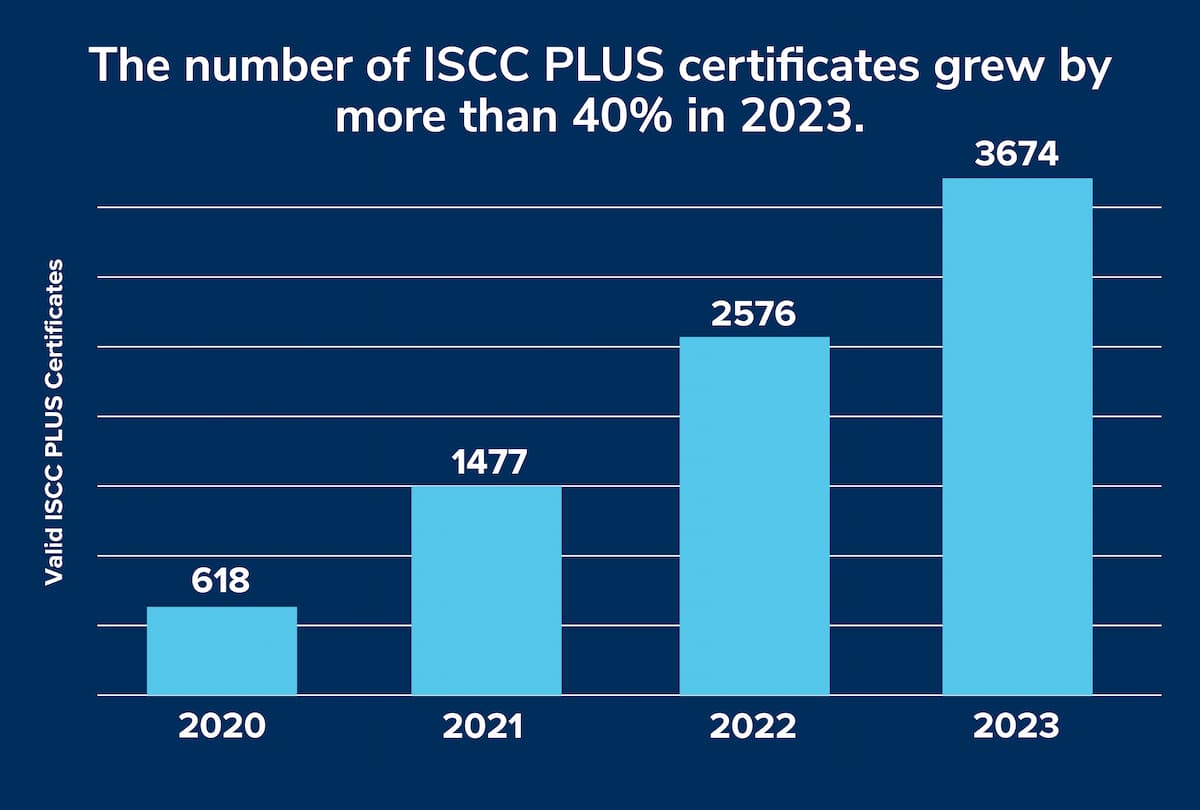
The number of ISCC PLUS certificates grew by more than 40% in 2023, and we are working closely with customers to develop sustainable solutions for their businesses. Our PolyRenew® brand of certified recycled polystyrene is seeing strong demand from customers who want to support – and publicly demonstrate – the rapidly growing circular economy. PolyRenew® can now be found on the shelves in major retail outlets in foodservice items, as well as arts and crafts. Furthermore, we are also beginning to supply certified recycled styrene – the precursor to polystyrene – to customers for applications in automotive segments.

The trend is clear: customers are demanding recycled plastic and chemicals for a variety of products, and independent, audited certification to a globally recognized standard like ISCC PLUS allows customers to take comfort in the sustainability footprint of their supply chain.
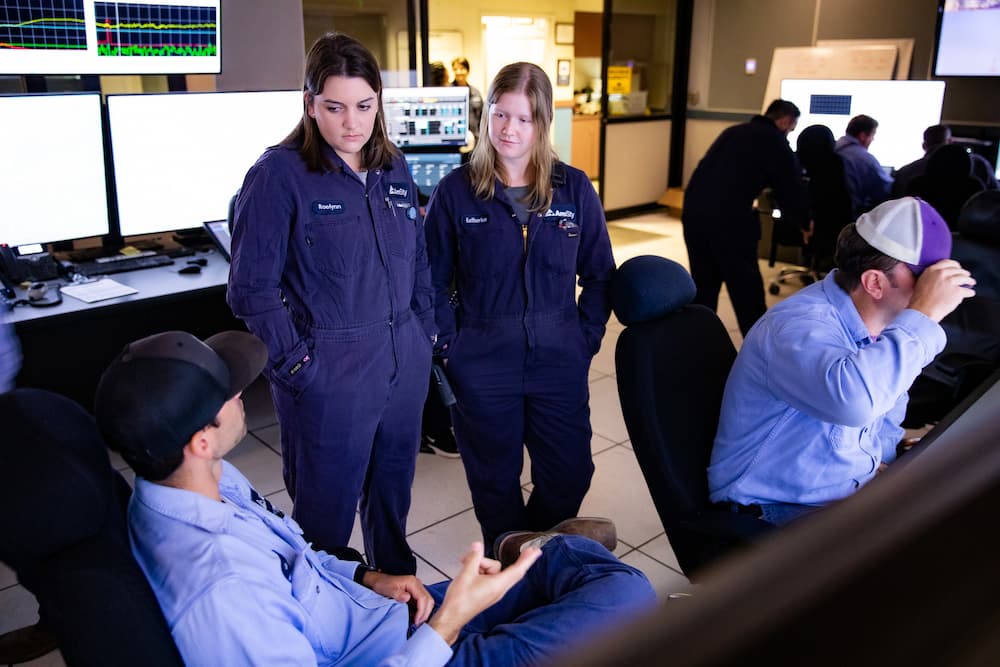
Two female employees talk to another employee seated at a computer desk

Stakeholder Engagement

To achieve plastic recycling goals, we need a regulatory framework that promotes the robust collection of plastic waste and the manufacturing capability to repurpose it into new plastic products. AmSty believes in the concept of extended producer responsibility (EPR) and is engaged in constructive dialogue with stakeholders on reasonable EPR solutions. We also need a variety of tools in the recycling toolkit and have been aggressively innovating to support technology development and accelerate progress. It is essential that regulators recognize and support the use of all recycling technologies, including advanced recycling, mechanical methods, dissolution, and emerging technologies.

Banning polystyrene – a well-intentioned but misguided approach to addressing plastic waste – deprives consumers of its life-enhancing benefits and often creates unintended consequences resulting in higher cost, inconvenience, spoilage, and less healthy outcomes. We believe the solution to discarded plastic lies not in banning it, but recycling and repurposing it to new products.

A future where polystyrene is highly recyclable requires a shared vision, collaboration, and commitments from manufacturers, processors, packaging companies – and more broadly, cities and states – to make recycling simple and accessible so everyone can participate. We are forging new partnerships and building momentum so that more polystyrene can be repurposed into new products.

To this end, AmSty is leading the way as a founding member of the Polystyrene Recycling Alliance (PSRA), a collective effort across the industry to achieve higher recycling access for polystyrene products in the United States. PSRA will first aim to achieve an initial target of 60% recycling access for polystyrene, the key level for a material to be considered broadly recyclable. As that milestone is accomplished, PSRA will continue raising the bar to set more ambitious targets – and work diligently to achieve them – to ensure that polystyrene is recycled at the very high levels that society expects.

Workers stand in a line wearing safety vests and holding hard hats Image of the text,

Aligning Sustainability Efforts with United Nations Sustainable Development Goals

AmSty’s sustainability initiatives align with many of the U.N. Sustainable Development Goals (SDGs), which are designed for companies and governments to help develop a better and more sustainable world for all.

While our work touches many of the SDGs, there are five that are most directly related to our business. We will continue to support this global initiative and look for opportunities to expand our impact in other SDGs.
The text,

Ensure healthy lives and promote well-being for all at all ages.

AmSty is a leading producer of polystyrene, a versatile, safe, and essential product that improves our everyday lives. Many products used in the front lines of life-saving research and medicine are made from polystyrene. Polystyrene is also an important material to keep foods fresh longer, improving access to safe, healthy food, and reducing waste.

We work to ensure the health and safety of our employees, suppliers, and contractors, and have consistently achieved top quartile environmental, health and safety performance within our industry.

These efforts are supportive of the following targets:

  • Target 3.4 – by 2030, reduce by one third premature mortality from non-communicable diseases through prevention and treatment and promote mental health and well-being.
  • Target 3.9 – by 2030, substantially reduce the number of deaths and illnesses from hazardous chemicals and air, water, and soil pollution and contamination.
The text,

Ensure availability and sustainable management of water and sanitation for all.

We are proud members of Operation Clean Sweep, an organization focused on helping every plastic pellet-handling location achieve zero losses to protect water quality and wildlife. Water is used in styrene production as a coolant and for steam. We take our commitment to water quality seriously and return water to the Mississippi River much cleaner than before we borrowed it as demonstrated by ongoing water turbidity samples (see "Protecting Water" in this report).

These efforts are supportive of the following targets:

  • Target 6.1 – by 2030, achieve universal and equitable access to safe and affordable drinking water for all.
  • Target 6.3 – by 2030, improve water quality by reducing pollution, eliminating dumping, and minimizing release of hazardous chemicals and materials, halving the proportion of untreated wastewater, and substantially increasing recycling and safe reuse globally.
The text,

Ensure access to affordable, reliable, sustainable, and modern energy for all.

Polystyrene foam is often the most sustainable choice for its intended application due to its energy efficiency. For example, producing a foam cup requires 35% less energy compared to a paper cup. Polystyrene foam also makes an energy-efficient insulation in construction.

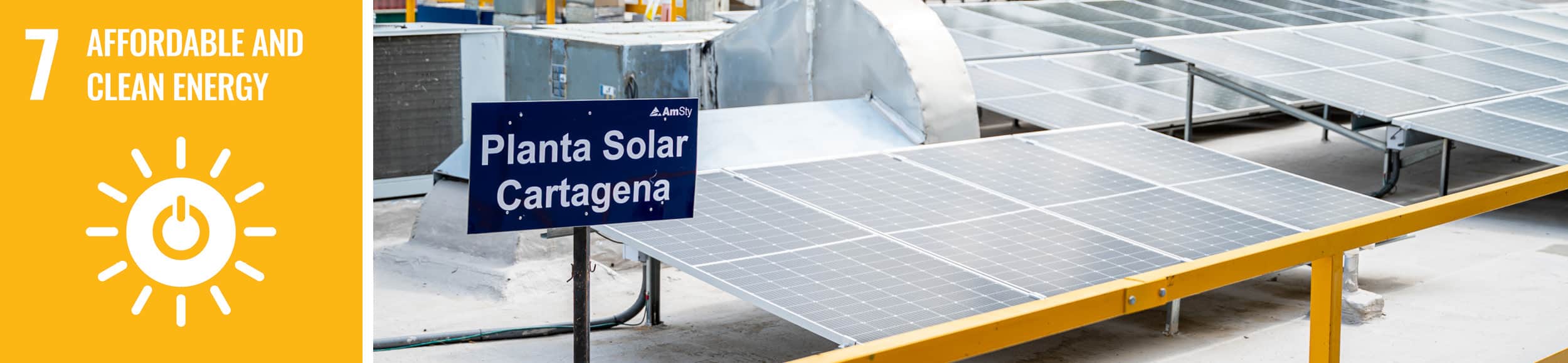
We have multiple initiatives underway to reduce energy consumption in our operations, including boiler improvements at our St. James plant, resulting in energy and raw material efficiency. We are looking to the future with a conversion from fossil fuel energy to renewables, with our first solar project completed at our plant in Cartagena, Colombia.

These efforts are supportive of the following targets:

  • Target 7.2 – by 2030, increase substantially the share of renewable energy in the global energy mix.
  • Target 7.3 – by 2030, double the global rate of improvement in energy efficiency.
The text,

Build resilient infrastructure, promote inclusive and sustainable industrialization and foster innovation.

We are proud to be an industry leader in developing a circular economy for polystyrene and other plastics. We are pursuing technologies and partnerships to accelerate the pace of polystyrene recycling and believe this in-kind recycling – where products are returned to their original application, quality, and durability – is the key to keeping plastics out of our landfills.

Minimizing waste throughout our operations and supply chain is foundational to our sustainability efforts. We pursue waste reduction initiatives in manufacturing, supply chain, and even with the end use of our products.

These efforts are supportive of the following targets:

These efforts are supportive of Target 9.4 – by 2030, upgrade infrastructure and retrofit industries to make them sustainable, with increased resource-use efficiency and greater adoption of clean and environmentally sound technologies and industrial processes, with all countries taking action in accordance with their respective capabilities.
The text,

Ensure sustainable consumption and production patterns

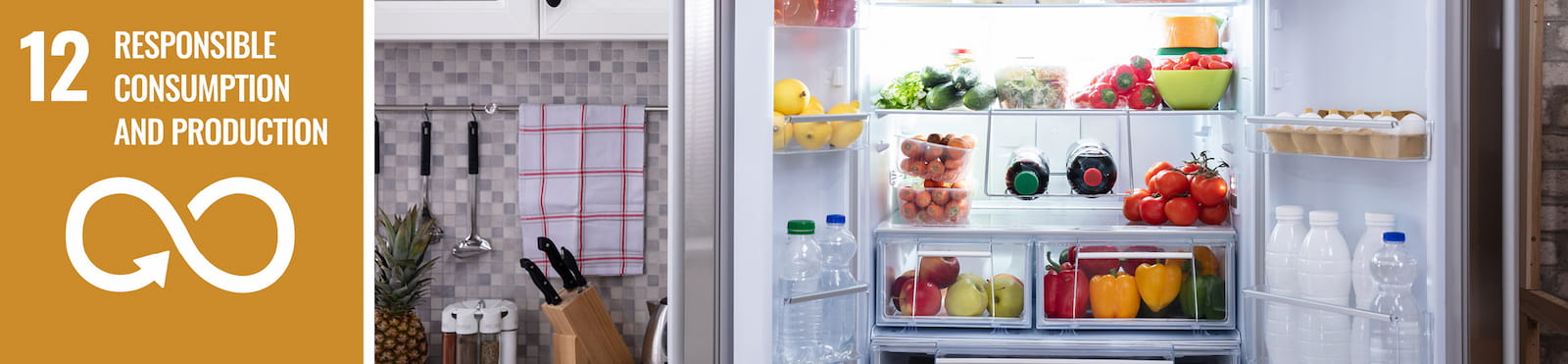
The life-enhancing benefits of polystyrene include reducing food waste by keeping foods fresh longer to avoid spoilage and promote food safety.

We work to reduce waste in our operations, throughout our supply chain, and in the end products we produce.

We were the first U.S. company to work with ISCC to implement ISCC PLUS, a certification program for circular plastics, helping to improve the transparency and credibility of plastics recycling.

We embrace the Responsible Care® program, an international initiative to promote safe chemicals management and environmental, health and safety leadership, and have implemented improvement projects to reduce hazardous waste at our plants.

Our annual sustainability report integrates sustainability information into our reporting cycles. We also report to the CDP (formerly the Carbon Disclosure Project) and EcoVadis platforms, leading to consistent and standardized sustainability reporting to stakeholders.

These efforts are supportive of the following targets:

  • Target 12.3 – by 2030, halve per capita global food waste at the retail and consumer levels and reduce food losses along production and supply chains, including post-harvest losses.
  • Target 12.4 – by 2020, achieve the environmentally sound management of chemicals and all wastes throughout their life cycle, in accordance with agreed international frameworks, and significantly reduce their release to air, water and soil in order to minimize their adverse impacts on human health and the environment.
  • Target 12.5 – by 2030, substantially reduce waste generation through prevention, reduction, recycling, and reuse.
  • Target 12.6 – encourage companies, especially large and transnational companies, to adopt sustainable practices and to integrate sustainability information into their reporting cycle.


    Life-Enhancing
    Products

    Back to
    Top

    Operational
    Excellence

    Read more …SR24 Sustainability Journey

    SR24 Life-Enhancing Products

    Life-Enhancing Products

    Styrene: The Building Block

    It all starts with styrene monomer, a key ingredient for the products manufactured by our styrene customers and the foundation for our lineup of polystyrene products. Styrene is a clear, liquid, organic compound found naturally in coffee beans, cinnamon, peanuts, and strawberries. It can also be produced synthetically.

    The applications of styrene touch many aspects of our daily lives. It is all around us in our homes as a key ingredient in carpets, bathroom countertops, pipes, kitchen appliances, lighting fixtures, and TV monitors. It’s in our vehicles in the dashboard, console, steering column, belts, hoses, and tires. The asphalt roads we drive on contain styrene, along with the keyboards we use at work, the swimming pools we enjoy when relaxing outdoors, and the soles of our boots when hiking. Even the safety of our water supply benefits from ion-exchange resins that contain styrene to remove impurities.

    Styrene is so important to modern life that it is shipped all over the world. As developing countries gradually improve their standard of living, they are using more styrene to provide life-enhancing products to their citizens. At AmSty, we are proud to produce this essential material that makes life better for the global community.

    Polystyrene: A Versatile Material

    Made from styrene, polystyrene has long been a sought-after material by manufacturers because it is durable, lightweight, tough, low in moisture absorption, and a great insulator. These properties allow polystyrene to be transformed into a wide variety of products including food packaging, medical applications, appliances, personal safety gear, and insulative solutions.

    Compared to other materials and forms of packaging, polystyrene is often a great choice for its application when all lifecycle impacts are considered. Its inherent qualities of high rigidity, efficient processing, and ability to maintain a sturdy and resilient quality when expanded to almost 95% air make it lower in carbon and greenhouse gas emissions compared to alternative materials for the same application.

    Polystyrene is developed in strict adherence to regulatory standards. The U.S. Food and Drug Administration (FDA) endorses polystyrene as a safe choice for food contact applications. At AmSty, we take pride in developing polystyrene resins that are not only versatile and recyclable, but also embody the highest standards of health and safety.


    Food Safety and Preservation

    Food packaging made from polystyrene is important for food quality and safety. Insulative products made from polystyrene foam enable safe, cold-pack shipment of perishables from the farm and ocean to the kitchen, keeping foods fresh for consumption. Polystyrene is used in applications such as meat and fish trays, egg cartons, school lunch trays, tableware, cups, containers, and drink lids. It is also one of the primary materials for the lining and shelves in refrigerators, keeping food safe from contamination and spoilage.

    Polystyrene allows products to be delivered to society with improved resource sustainability and safety. According to the U.S. Environmental Protection Agency (EPA), food waste is the single most common material sent to landfills in the United States, comprising nearly 25% of municipal solid waste. Polystyrene is a very important material to reduce this waste by keeping foods fresh longer to avoid spoilage. Leading health organizations also encourage the use of single-use foodservice packaging, such as polystyrene, in appropriate settings. This packaging can help reduce food-borne illnesses in homes, hospitals, schools, care centers, cafeterias, and restaurants.

    Woman carries foam food containers Toddler drinks from a straw in a foam cup Young boy eats yogurt from plastic cup

    Medical Applications

    The unique properties of polystyrene also make it an excellent fit for the medical field. Many products used on the front lines of life-saving research and medicine are made from polystyrene due to its optical clarity and ease of sterilization:

    • In a clinical setting, polystyrene can be found in tissue culture trays, pipettes, and roller bottles.
    • Prescription medicines often come in a polystyrene pharmaceutical container.
    • Blood, medication, specimens, and life-saving organ transplants can be shipped across the country in coolers that benefit from polystyrene’s insulating properties.

    During the Covid-19 pandemic, polystyrene contributed to successful diagnostic and intervention programs, from the petri dishes and test tubes where viruses were cultured and studied, to test kit containers used for early diagnosis, and even syringes delivering life-saving vaccines.

    Energy Conservation

    Polystyrene has a lighter environmental footprint in many applications, especially when compared with other materials. In fact, when expanded with a blowing agent, polystyrene foam (EPS) is often the most sustainable choice for its intended application. For example, because a foam cup is 95% air by volume, the production process requires 35% less energy and 40% less water and emits 40% less CO2 than similar products like paper cups. When holding hot liquids, polystyrene foam cups remain comfortable to the touch while paper cups radiate heat from inside the cup and can become too hot to hold. The solution when using a paper cup is often to add more paper with another layer or a paper sleeve, further impacting the environmental footprint of the cup.

    The impact of a lower carbon footprint for polystyrene foam reaches beyond beverage cup applications. A recent McKinsey study noted that polystyrene foam offers a 35% lower greenhouse gas (GHG) contribution than butcher paper when used for fresh meat packaging.

    The insulating properties of polystyrene foam make it widely used in construction as a sub-layer in building veneers, in geo-forms for foundations, in the building of roadways and bridges, and for freeze protection as covers for faucets or exposed valves. These same insulating benefits can be found in portable applications, from commercial refrigerated trucks to personal coolers.

    Energy Usage
    (million BTU)

    10
    8
    6
    4
    2
    0
    EPS cup 5.4
    Paper cup 8.3

    Water Usage
    (gallons)

    10000
    8000
    6000
    4000
    2000
    0
    EPS cup 4,800
    Paper cup 8,100

    GHG Emissions
    (lbs CO2 equivalent)

    1400
    1200
    1000
    800
    600
    400
    200
    0
    EPS cup 723
    Paper cup 1,215

    Daily Benefits of Styrene and Polystyrene

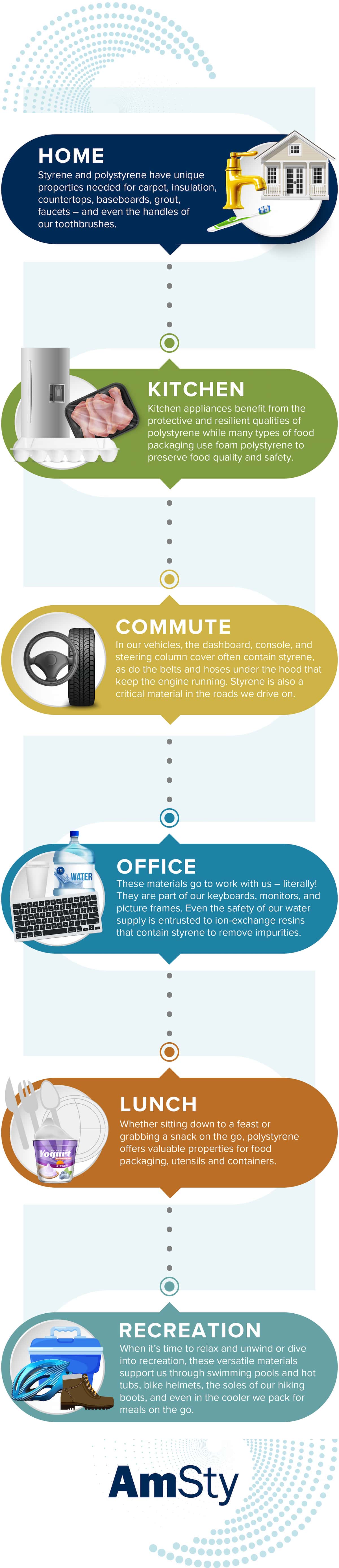
    We take pride in developing styrene monomer and polystyrene resins that are not only versatile and recyclable, but offer life-enhancing benefits to so many aspects of our daily lives. From our homes, cars, and offices to our appliances, meals, and hobbies, these are just a few of the countless ways these products sustainably and safely enable us to live each day to the fullest.

    Home

    Styrene and polystyrene have unique properties needed for carpet, insulation, countertops, baseboards, grout, faucets – and even the handles of our toothbrushes.

    Graphic depicting house, faucet and toothbrush

    Kitchen

    Kitchen appliances benefit from the protective and resilient qualities of polystyrene while many types of food packaging use foam polystyrene to preserve food quality and safety.

    Graphic depicting refrigerator, egg carton and meat tray

    Commute

    In our vehicles, the dashboard, console, and steering column cover often contain styrene, as do the belts and hoses under the hood that keep the engine running. Styrene is also a critical material in the roads we drive on.

    Graphic depicting tire and steering wheel

    Office

    These materials go to work with us – literally! They are part of our keyboards, monitors, and picture frames. Even the safety of our water supply is entrusted to ion-exchange resins that contain styrene to remove impurities.

    Graphic depicting keyboard, cup and water bottle

    Lunch

    Whether sitting down to a feast or grabbing a snack on the go, polystyrene offers valuable properties for food packaging, utensils, and containers.

    Graphic depicting foam plate, plastic utensils and yogurt container

    Recreation

    When it’s time to relax and unwind or dive into recreation, these versatile materials support us through swimming pools and hot tubs, bike helmets, the soles of our hiking boots, and even in the cooler we pack for meals on the go.

    Graphic depicting cooler, bike helmet and hiking boot

    Introduction

    Back to
    Top

    Sustainability
    Journey

    Read more …SR24 Life-Enhancing Products

    SR24 Operational Excellence

    Operational Excellence

    Footprint and Compliance

    Our footprint is focused on the Americas, with a styrene plant in Louisiana and six polystyrene plants in Connecticut, Ohio, Illinois, California, and Colombia. Operating our facilities to the highest standards of compliance, safety, and productivity is our top priority. We embrace the Responsible Care® program, an international initiative to promote safe chemicals management and environmental, health, and safety (EH&S) leadership, and we embedded the principles in our Operational Excellence Management System (OEMS). Through Responsible Care®, we establish objectives to achieve and sustain industry-leading safety, security, and pollution prevention goals. We also review and adjust objectives periodically to continuously improve our performance.

    OSHA has recognized our accomplishments to promote workplace safety and health, including VPP (Voluntary Protection Programs) Star status for our St. James and Marietta locations. We also successfully renewed our ISO 9001/Responsible Care 14001 certifications for all facilities in 2023. Successful third-party audits confirmed our quality and environmental management systems continue to meet required standards and reinforce our commitment to excellence.

    Safety

    The health and safety of our employees, contractors, and communities where we operate is our top priority. Every day, we strive for zero injuries and incidents while making products that make people’s lives better.

    Employees and contractors are expected to make safe choices to prevent injury, illness, and process safety events. Each employee and contractor is empowered with stop-work authority to avoid unsafe acts and conditions. To ensure that all our contractors and vendors share our commitment to health and safety, we’ve implemented an information management system to evaluate and monitor safety, performance, and compliance. We train and empower cross-functional teams of experts to review any operating change in advance to identify potential hazards associated with a change, along with safe work procedures and audit protocols.

    We are certified by the American Chemistry Council (ACC) as a Responsible Care® company, which recognizes industry leaders dedicated to ensuring the business of chemistry is safe, secure, and sustainable. Responsible Care® companies have a worker safety rating that’s nearly five times better than the U.S. manufacturing sector, and almost three times better than those in chemical manufacturing overall. Our safety record – as measured by the Recordable Incident Rate (RIR) – is in the top quartile of chemical companies in the ACC.

    “Working safely is non-negotiable. We believe that we must work safely, or we should not work at all.”
    Tim Watson
    Vice President Environmental, Health, and Safety

    AmSty Safety Record (RIR 36 mo. rolling)

    0.7
    0.6
    0.5
    0.4
    0.3
    0.2
    0.1
    0
    Q1 0.41
    Q2 0.40
    Q3 0.36
    Q4 0.31
    Q1 0.27
    Q2 0.23
    Q3 0.19
    Q4 0.16
    Q1 0.12
    Q2 0.12
    Q3 0.12
    Q4 0.16
    Q1 0.12
    Q2 0.20
    Q3 0.25
    Q4 0.25
    Q1 0.27
    Q2 0.27
    Q3 0.31
    Q4 0.31
    2019 2020 2021 2022 2023
    • ACC 1st Quartile
    • ACC 1st Decile

    Across all of AmSty, we recently achieved more than three years without a process safety incident and two years without recordable injuries, and most individual AmSty locations have achieved many years consecutively without injury. For example, the Marietta plant has completed eight years safely, the Cartegena plant has completed six years without a recordable injury, and the Allyn’s Point plant has achieved five years without injury. Our commercial team that spends a lot of time on the road also has a stellar driving record with no AmSty-caused events in 2.5 million miles of windshield time since the formation of AmSty over 15 years ago.

    We also have a strong track record for process safety, where we focus on potential hazards of working with chemicals and implement practices to avoid the risk of incidents and injury. Our practices follow Responsible Care® standards, including:

    • Demonstrating a visible and ongoing commitment to continual improvement.
    • Educating employees on the principles and benefits of process safety, and the implications of deviating from policy and procedures.
    • Documenting, prioritizing, and communicating process safety risks, along with the action plans and resources to mitigate them.
    • Sharing relevant process safety knowledge and lessons learned across the business.
    • Monitoring and reporting process safety performance.

    We take great pride in our industry-leading safety performance. Even more importantly, we inspire, equip, and empower our team to operate in a way that fosters an accident-free workplace. Safety will always be our top priority.

    Asset Utilization, Energy, Emissions

    AmSty complies with all regulatory requirements and plans production to optimize efficiency and minimize raw materials, energy, and emissions. We ensure our emissions tracking and reporting processes are consistent, compliant, and standardized so they can be shared with stakeholders. We upgraded the emissions tracking software at our St. James plant to a more comprehensive, cloud-based system, which provides more seamless reporting to state and federal regulatory agencies. In 2023, we reported to both the CDP (formerly the Carbon Disclosure Project) and Ecovadis platforms.

    CO2e Emissions
    (metric tons)

    800,000
    600,000
    400,000
    200,000
    0
    2019
    2020
    2021
    2022
    2023

    CO2e Emissions Intensity
    (metric tons per million lbs of production)

    200
    150
    100
    50
    0
    2019
    2020
    2021
    2022
    2023

    Overall, emissions have been steady on an intensity basis and varied on an absolute basis due to turnarounds or other down time.

    Our St. James styrene plant accounts for 85% of all AmSty emissions and remains the focus for energy efficiency and emissions reduction projects. We’ve initiated capital projects at our St. James plant to redesign flare management, prevent steam leaks, upgrade the railcar fleet, and improve the efficiency of our boiler system. In addition to reliability benefits, these projects will also help reduce emissions.

    The Marietta plant has completed a series of capital projects over multiple years to use more stable peroxides in the polymerization of styrene, leading to improved safety and reliability. Our locations have also transitioned to non-PFAS containing firefighting foam.

    We are also looking to the future and embracing renewable energy where it’s reliable and economically viable. In early 2023, we installed 185 solar panels at our polystyrene plant in Cartagena, Colombia, which will generate more than 150,000 kilowatt hours of clean energy and reduce carbon emissions by over 30 tons annually. This represents another step forward in our ongoing journey to reduce emissions, and we will continue exploring similar opportunities across AmSty.

    Reducing Waste

    Reducing waste is clearly the right thing to do, and we make it a priority. We pursue waste reduction efforts in manufacturing, supply chain, and even with the end use of our products.

    For example, our Hanging Rock, Ohio, plant started an improvement project in 2022 that reduced hazardous waste by nearly 10% in one year. We are working to expand that project to our plants in Joliet, Illinois, and Torrance, California. Once fully implemented, we expect to reduce total hazardous waste approximately 20% across our U.S. plants.

    Energy efficiency is another key area where we are investing considerable resources at our St. James, Louisiana, plant to improve boiler performance and steam retention to eliminate energy waste and reduce emissions. When we complete a multi-year reliability improvement project at St. James by 2029, we expect to reduce energy usage and emissions by approximately 12% from a 2022 baseline.

    Looking beyond our fence line, we continue working with a broad array of stakeholders to bring polystyrene recycling to scale, both on the collection side to improve recycling access, as well as innovative manufacturing technologies to repurpose used plastic into new polystyrene. The Polystyrene Recycling Alliance and our offtake agreement with Encina are examples of our commitment to reduce, reuse, and recycle.

    Protecting Water

    Water resources required for polystyrene production are minimal and are used solely as a coolant for finished product after it leaves the reactor on the way to storage. Water is used more broadly in styrene production as a coolant and for steam. To improve efficiency and reduce water consumption, we invested capital at St. James to replace a cooling tower with state-of-the-art technology.

    We take our commitment to water quality seriously and return water to the Mississippi River much cleaner than before we borrowed it. Ongoing water turbidity samples – a measure of the relative clarity of water – consistently show dramatic improvement from high turbidity (low clarity) in the range of 70 NTU in our incoming water supply at St. James to a very low turbidity (high clarity) of around 3 NTU in the water we return to the river.

    AmSty is also a proud member of Operation Clean Sweep (OCS), a U.S.-originated campaign that has expanded internationally to help plastic pellet-handling locations achieve zero losses to protect water quality and wildlife. We have been recognized for excellence in OCS and invited to participate at an enhanced level in OCS Blue to further demonstrate our leadership commitment to protecting the environment.

    Supply Chain

    We manage our supply chain to optimize production at our facilities, minimize risk for customers, and uphold high standards of environmental performance. We plan production a year in advance to align manufacturing capacity and raw material supplies with customer demand. Our broad network of polystyrene plants allows us to secure the best geographical fit for customer orders and minimize transit distance.

    AmSty embraces the environmental, health, and safety (EH&S) standards of Responsible Care® and utilizes a Vendor Code of Conduct to reinforce expectations of suppliers. We maintain a diverse and capable supplier base to ensure business continuity and utilize third-party experts to monitor the EH&S and ethics performance of suppliers.

    We manage multiple modes of transportation and focus heavily on the safe transit of our products. In 2023, CSX Corporation recognized AmSty with a Chemical Safety Excellence Award. These awards recognized customers who shipped at least 600 carloads of hazardous materials annually with CSX for their outstanding contribution to safe transportation.

    As we work to optimize the supply chain, we are also developing the capability to calculate greenhouse gas emissions to compare tradeoffs for different routes and modes of transportation.

    Sustainability
    Journey

    Back to
    Top

    Our
    People

    Read more …SR24 Operational Excellence

    SR24 Our People

    Our People

    Safety, Health, and Well-Being

    We have great people at AmSty and want to promote their safety, health, and wellness. This care for our employees starts with setting a clear expectation in our Code of Conduct that safety begins with each individual and their responsibility to follow work rules and procedures to avoid unsafe acts and conditions. Coupled with clear expectations for leaders to be visible models of safe behavior and accountable for their teams’ safety performance, we set the right tone that we work safely or not at all.

    We look beyond immediate job tasks to support the health and wellness of employees through a variety of approaches. The workplace is engineered to reduce noise levels and other risk factors. We provide health insurance plans to promote preventive care and offer broad access to medical care, onsite health events for vaccinations and cancer awareness, and an Employee Assistance Program (EAP) to support mental health. We also offer memberships and programs to help employees meet their fitness and wellness goals.

    A male employee in personal protective equipment adjusts a dial on a machine A man wearing a hard hat and gloves works on equipment

    Diversity, Equity, and Inclusion

    We work to stimulate an atmosphere that encourages our employees and supply chain partners to bring their varied perspectives, experiences, and talents to the table. With operations and markets across the Americas, our diverse workforce is highly motivated to serve a diverse group of customers. We provide equal access and inclusive policies as an Equal Opportunity Employer, regardless of age, race, color, national origin, sexual orientation, gender, disability, or religion.

    We support ongoing efforts to include and engage employees not only in their jobs, but also in their areas of interest. For example, we support employee-led interest groups to help increase cultural awareness in the workplace. These groups focus on a variety of topics of interest to our employees, including community involvement, health and wellness, new hire welcomes, social events, diversity, equity, and inclusion, and more. We also commit time and resources to keep employees informed of important work topics and trends to empower them to confidently discuss these topics in their social networks.

    AmSty embraces a culture where people feel valued, respected, and included.
    AmSty Employee Diversity
    White
    Hispanic or Latino
    Black or African American
    Asian
    Two or More Races
    Native Hawaiian or Other Pacific Islander
    • 63% White
    • 24% Hispanic or Latino
    • 10% Black or African American
    • 2% Asian
    • 1% Two or More Races
    • 0.21% Native Hawaiian or Other Pacific Islander
    AmSty Employee Gender
    Male
    Female
    • 79% Male
    • 21% Female
    AmSty Years of Service
    <10 Years
    10–20 Years
    21–30 Years
    >30 Years
    • <10 Years: 63%
    • 10–20 Years: 14%
    • 21–30 Years: 8%
    • >30 Years: 15%
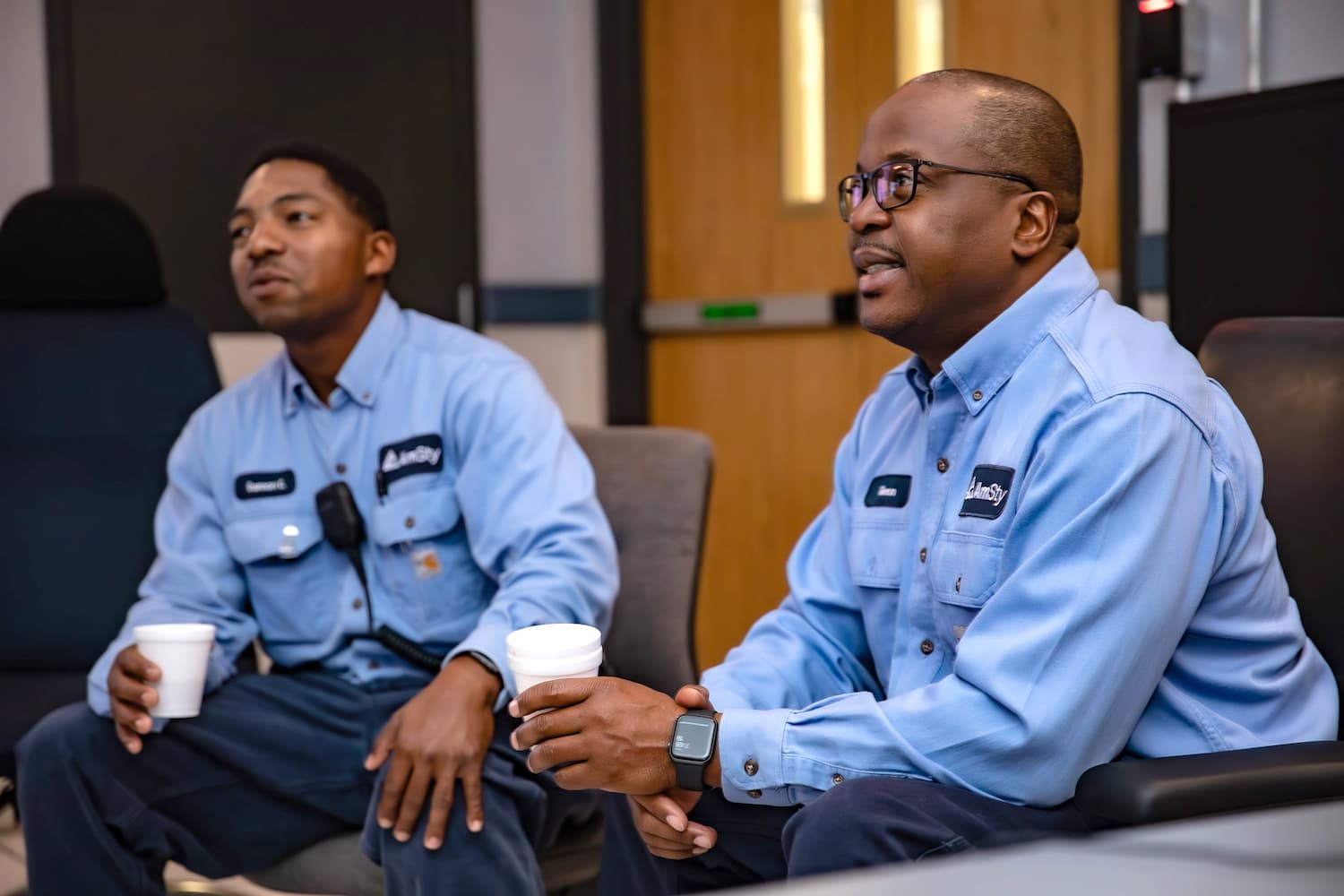
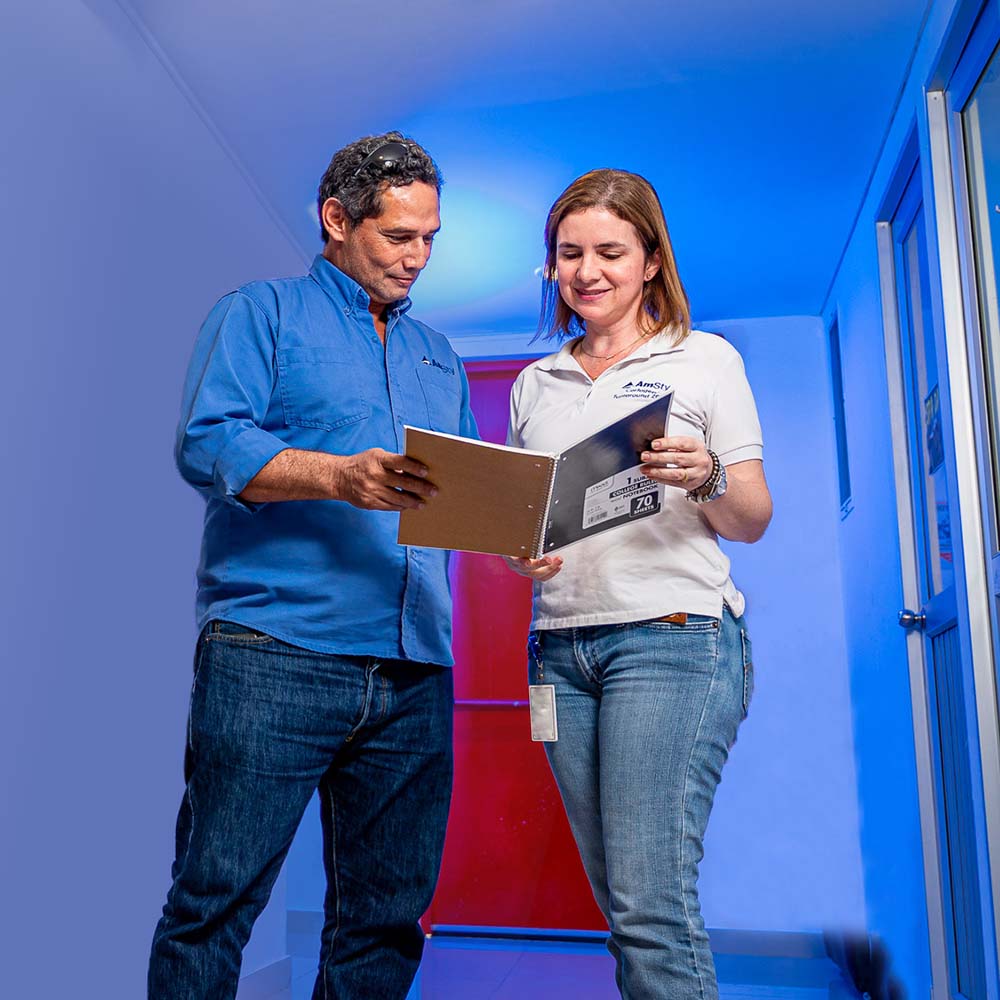
    Two employees hold foam coffee cups while seated in a break room A man and woman stand in a hallway looking at documents

    Talent Management and Development

    Employee focus is one of our core values. We need to hire, develop, and retain top talent to sustain our business and meet the needs of our customers. Foundationally, this starts with making AmSty an attractive place to work so that we can recruit the best and brightest to join our team. We care about work-life balance and the personal and professional growth of our employees. We invest in training to ensure our employees can safely fulfill their job roles.

    Our training program is robust and incorporates a variety of approaches to bring new employees up-to-speed, while also helping longer-tenured employees keep their skills current. This includes a personalized training profile for each employee based on their role and location, computer-based training modules, on-the-job training with managers, rotations through different assignments, and training workshops.

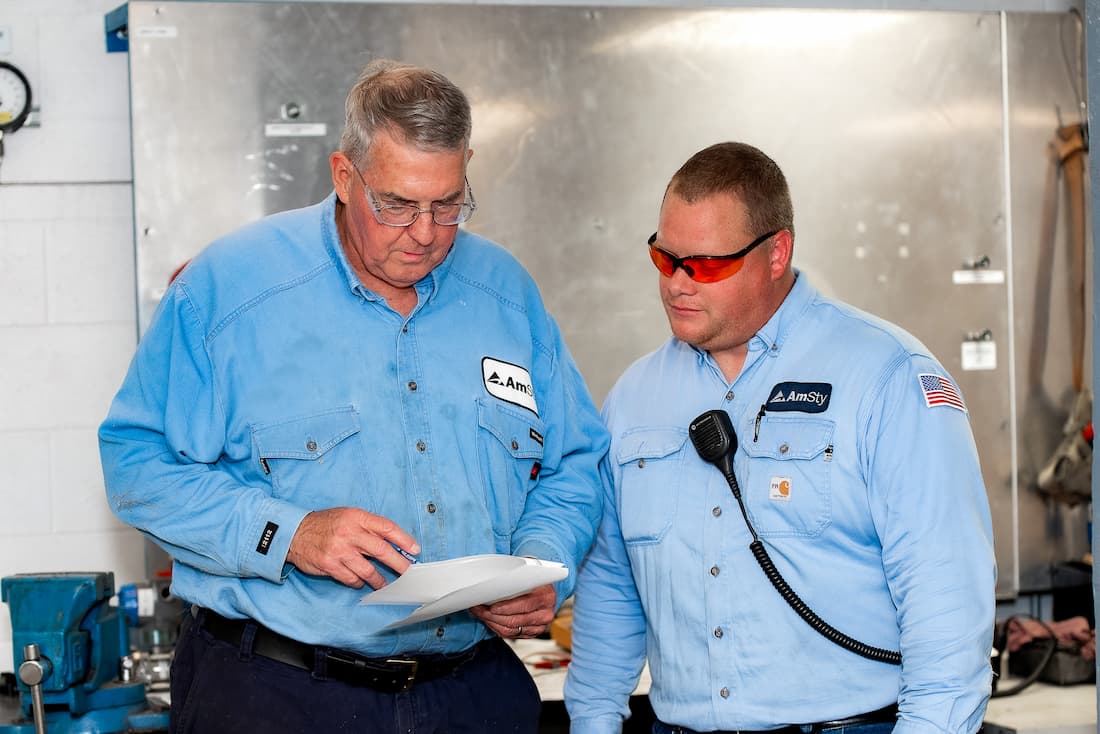
    An older employee shows documents to a younger employee

    Our Polystyrene Trainers Network, which is made up of employees who serve as technical advisors and bring extensive experience and knowledge about operations, helps inform our operator qualification processes. New operators in polystyrene sites must go through a rigorous multi-step process to achieve full qualification to perform every activity safely and reliably in operations.

    Throughout the year, we offer optional learning sessions to employees on various topics like project management, team building, communications skills, and others. In addition, employees are provided opportunities to learn about other areas of the AmSty business, like supply chain and logistics, and about topics that impact the larger organization and society, such as our sustainability initiatives. Occasionally, employees will also get the opportunity to visit other companies and industries to benefit from best practice sharing on a variety of topics like safety, supply chain, logistics, and environmental excellence.

    Operational
    Excellence

    Back to
    Top

    Corporate
    Citizenship

    Read more …SR24 Our People

    SR24 Corporate Citizenship

    Corporate Citizenship

    Governance and Ethics

    At AmSty, ethical behavior is a core value and expectation for every employee, from our Board of Directors to the CEO and on to front-line employees. We evaluate success not only by the results we accomplish, but also by how we achieve them. We strive to be trusted partners within AmSty, in the communities where we live and work, and on the global stage.

    Governance begins with oversight from our owners, Chevron Phillips Chemical and Trinseo, who each seat three representatives on the Board of Directors. Ordinary affairs of the company are directed by our President and CEO along with other officers appointed by the Board. Certain significant decisions and actions require Board approval. Legal and Human Resources leaders oversee our ethics and compliance program, which involves ongoing training, employee acknowledgment of expectations, and several options for employees to report concerns of potential violations, including an anonymous ethics hotline.

    We continually evaluate our processes for areas of potential improvement to reinforce our unwavering commitment to business excellence. A recent example is our purchasing function, where we implemented a more robust procurement policy with stronger controls and expectations for vendor selection, conflicts of interest, disposal of surplus assets, and competitive bidding. We believe in setting the bar high and will continue with thoughtful evaluations and deliberate adjustments to ensure high integrity governance across AmSty.

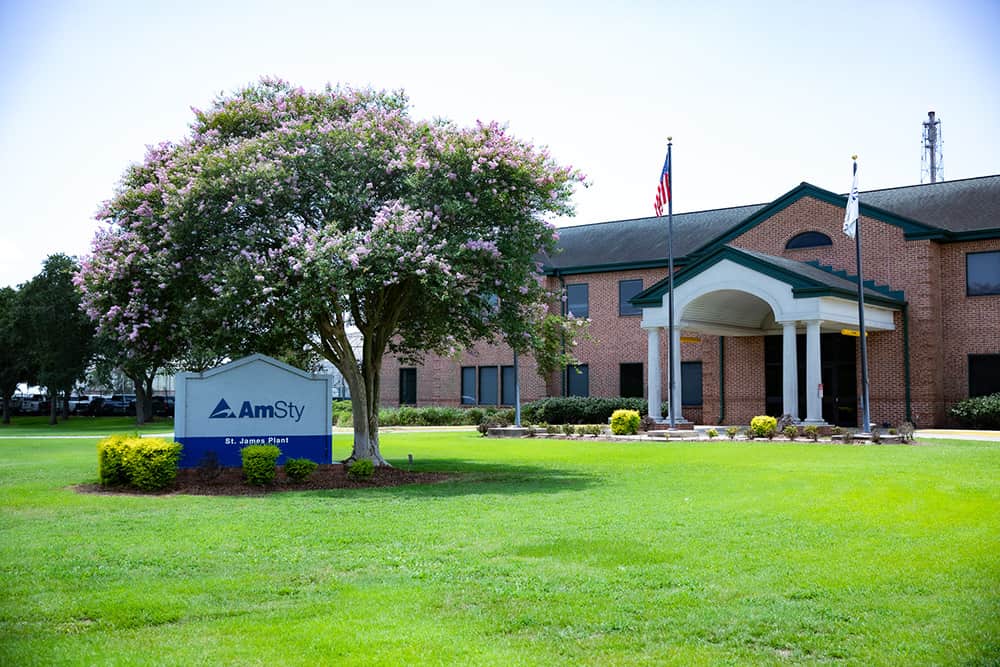
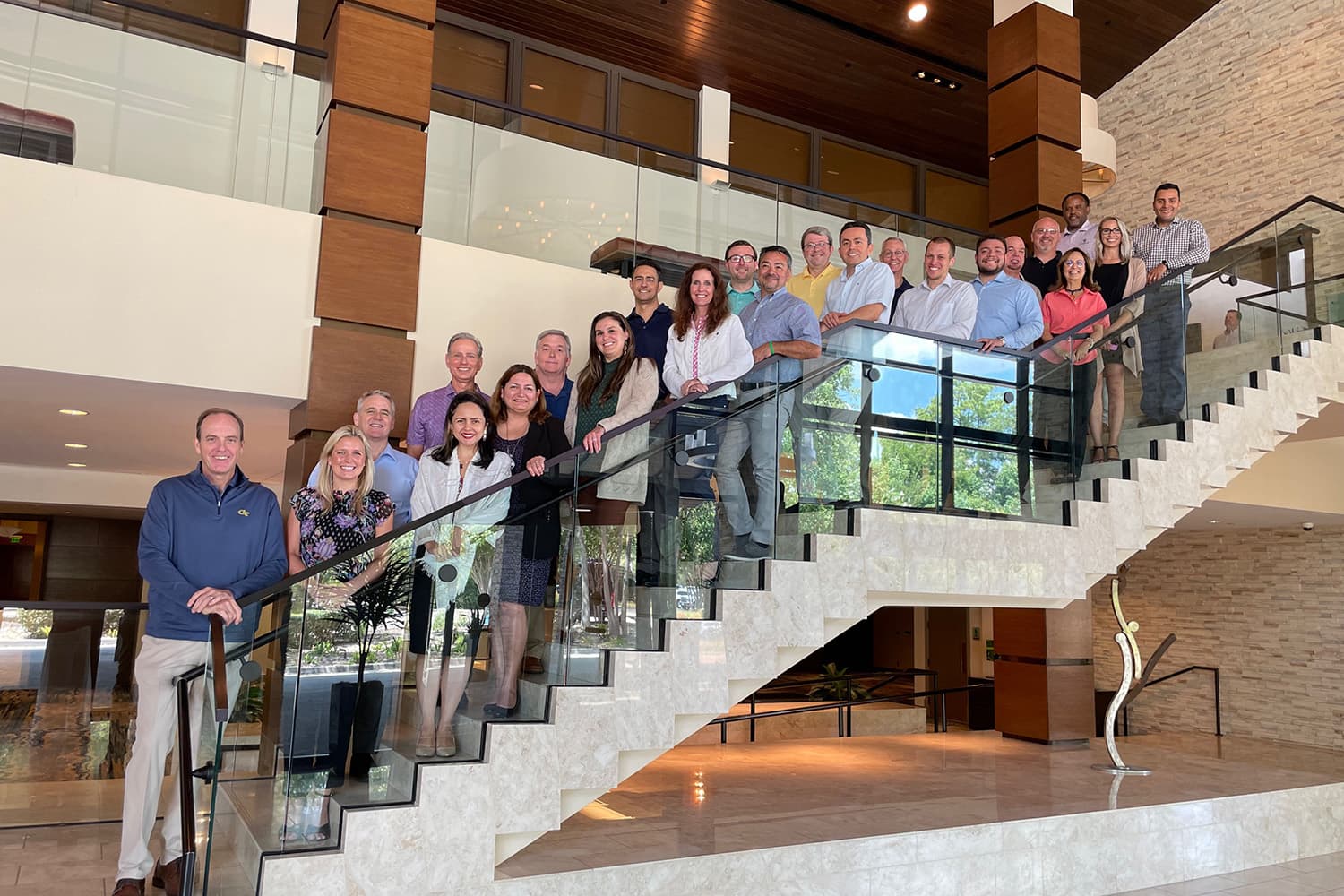
    An outside view of an office with a company sign, American flag on a pole and a tree blooming Group of employees in professional dress stand on a stairway in an office lobby

    Product Stewardship

    Safety is our number one priority. That begins with providing a safe environment for our employees, customers, and contractors, and extends to ensuring that the products we provide to our customers are safe, too. We are committed to the safe handling, transportation, and use of our products beyond compliance and regulatory requirements.

    As part of our commitment to the American Chemistry Council (ACC) Responsible Care® program, our Product Stewardship program ensures the integrity of our products through their entire lifecycle beginning at inception through manufacturing, transportation, distribution, use, end-of-life, and recycling.

    Product Safety Code requirements are met through our Operational Excellence Management System (OEMS) and Product Safety Management Standard. Multi-functional teams utilize these tools to ensure that environmental, health, and safety priorities are addressed. Based on the hazard and exposure risk profile of a product, appropriate measures are taken to ensure that product safety is achieved.

    We provide customers with safe handling, storage, release prevention, and transportation guidance, and our products are shipped with Safety Data Sheets utilizing the Globally Harmonized System (GHS) of Classification and Labeling of Chemicals. We also work continuously to improve our product stewardship program and collaborate regularly with suppliers, distributors, transportation providers, and customers to incorporate best practices into our approach.

    Environment, Health, and Safety

    Our commitment to protect people and the environment is foundational to our business and operations. We use a robust environmental, health, and safety (EH&S) approach to understand, classify, and mitigate risk and ensure compliance through training and audits. Our EH&S platform is embedded in our Operational Excellence Management System (OEMS) to ensure it is fully integrated into our operating protocols.

    We are also vigilant to identify projects and technologies that can reduce EH&S risk. Examples include capital projects at Marietta, Ohio, to enable more stable peroxides in the polymerization of styrene to improve safety and reliability and transitioning all locations to firefighting foams that do not contain PFAS (Per- and Polyfluorinated Substances).

    For the hazardous materials we handle, we follow rigorous process safety requirements that adhere to OSHA Process Safety Management (PSM) standards, and we implement exposure control programs to prevent impacts to workers. Our plants have received awards for their accomplishments from OSHA, Responsible Care®, and other industry associations.

    We believe environment, health, and safety are so important that we look beyond our immediate facilities to share these core values and best practices with others in our supply chain. For example, we are members of an industry organization that reviews and audits waste disposal and recycling facilities to verify compliance with state and federal regulations and ensure that our downstream vendors share our commitment to EH&S stewardship.

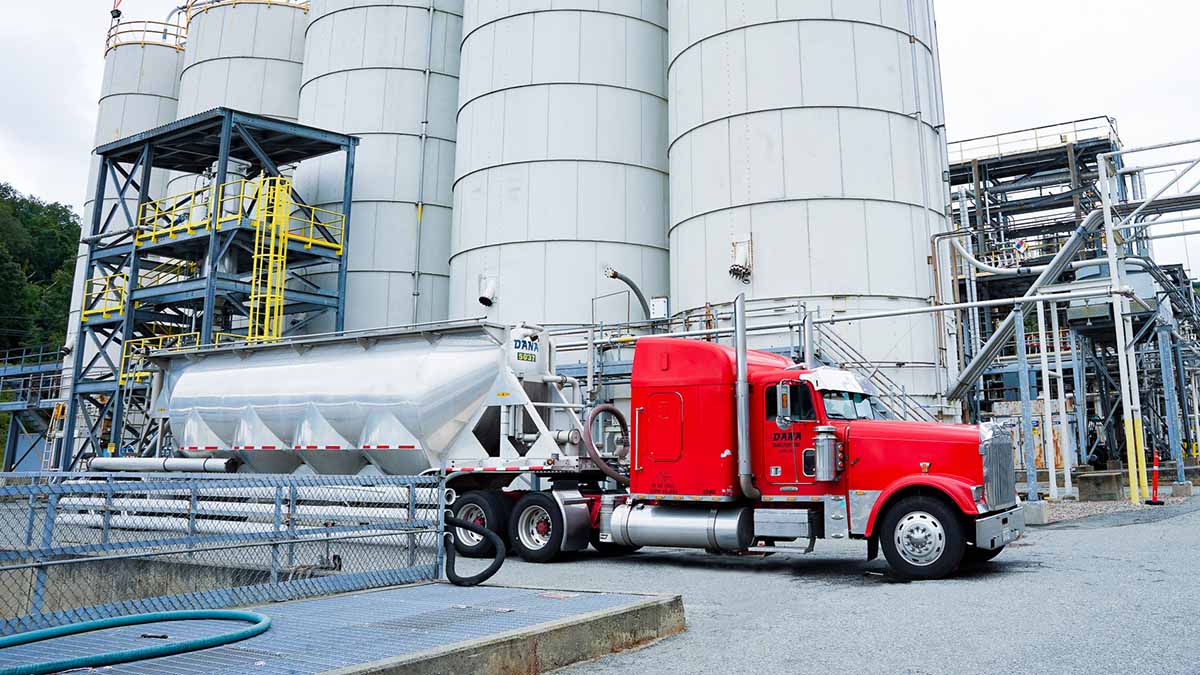
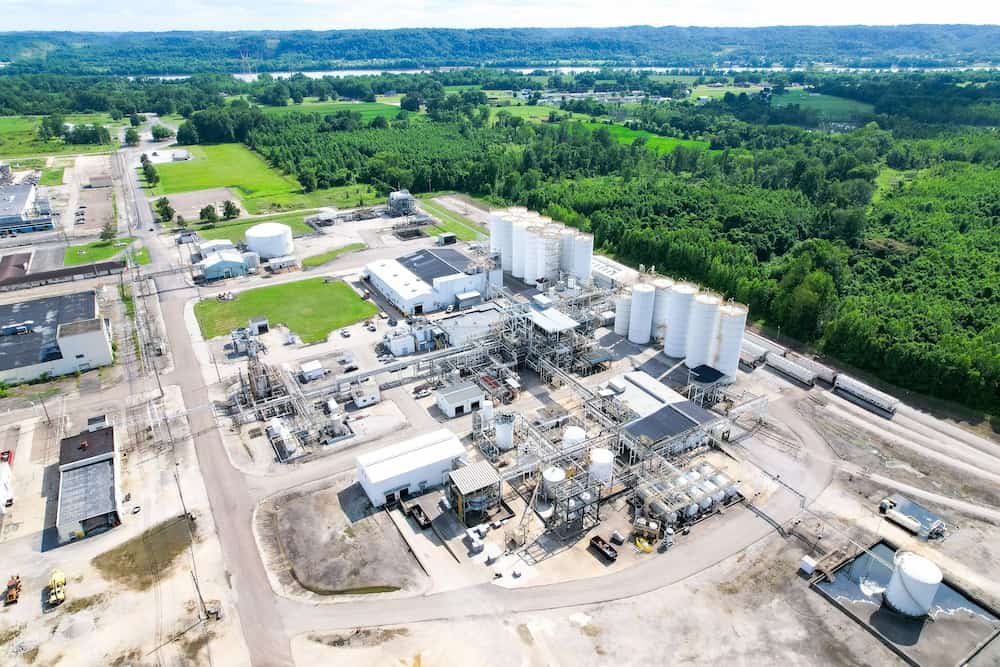
    Semi truck parked beside large silos An aerial view of a large manufacturing facility surrounded by green trees with a river behind it.

    Community Involvement

    We believe it is our responsibility and honor to be active members of our communities and help improve the quality of life where our employees live and work, and we’re involved in many community initiatives.

    We recognized a shared vision and formed a new partnership with Keep America Beautiful in 2023. We support Keep America Beautiful’s mission to provide the expertise, programs, and resources to help end littering, improve recycling, and beautify America’s communities. Our employees participate in Keep America Beautiful events and programs, and we help share sustainable practices everyone can adopt to protect the health of our communities.

    Our employees also participate in other community activities, including neighborhood cleanups, natural landscape enhancement, and volunteering with local organizations, including the United Way, fire departments, and back-to-school donation programs.

    We enjoy giving back to our communities. We will remain an active neighbor and ensure our priorities are employee-driven with philanthropic support from our company.

    External Communications

    At AmSty, we are committed to timely, accurate communications and are developing new ways to connect with customers, local communities, and the broader public.

    We are proud to share the story of how we’re combining innovation and sustainability to build momentum toward a circular economy for plastic and a lower carbon future for society. That progress is possible through partnerships and people who are committed to making a difference. By participating in America’s Change Makers from the American Chemistry Council, we are helping consumers learn more about AmSty employees and others who are revolutionizing the way plastics are made. Since the initiative began in mid-2022, the videos in the America’s Change Makers series have been viewed more than 200 million times.

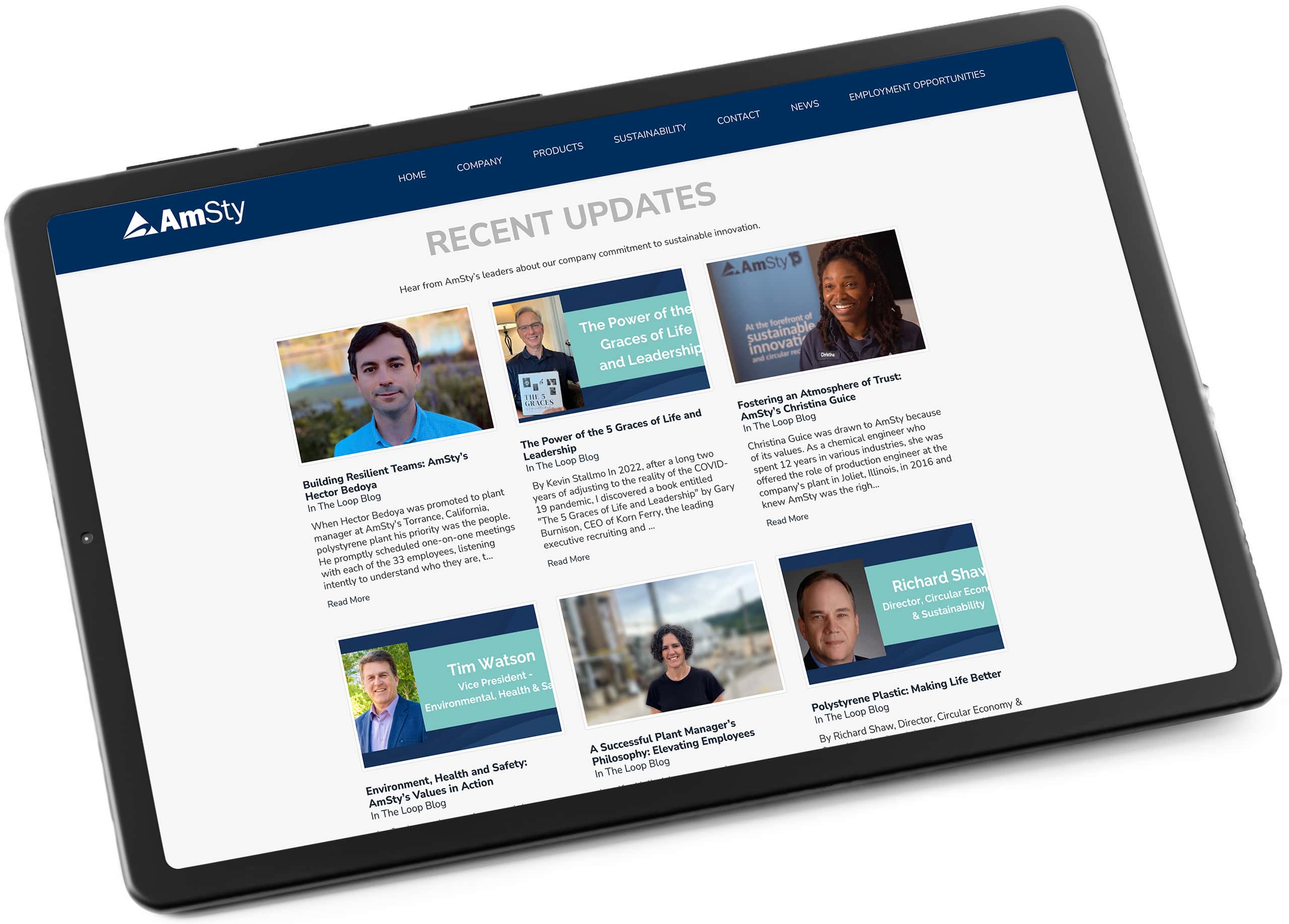
    We publish timely updates about our sustainability advancements on LinkedIn and our leaders share perspectives on sustainable innovation on the blog “In the Loop”. Throughout the year, we also share updates via email with our external stakeholders.

    We plan to continue sharing information on our progress and gathering important feedback from stakeholders. For example, we are bolstering support for our Community Advisory Panels near our facilities in St. James, Louisiana; Allyn’s Point, Connecticut; Hanging Rock, Ohio; and Joliet, Illinois. Through these Community Advisory Panels, we listen to residents, share information about what’s happening at our facilities, and gather important input about how AmSty can be a good neighbor.

    Many of our employees also serve in key leadership positions in local, state, and national organizations to engage with the public, policymakers, and other stakeholders on important sustainability issues in the plastics and chemicals industry.

    Screenshot of web page showing blog entries

    Our
    People

    Back to
    Top

    Data
    Tables

    Read more …SR24 Corporate Citizenship